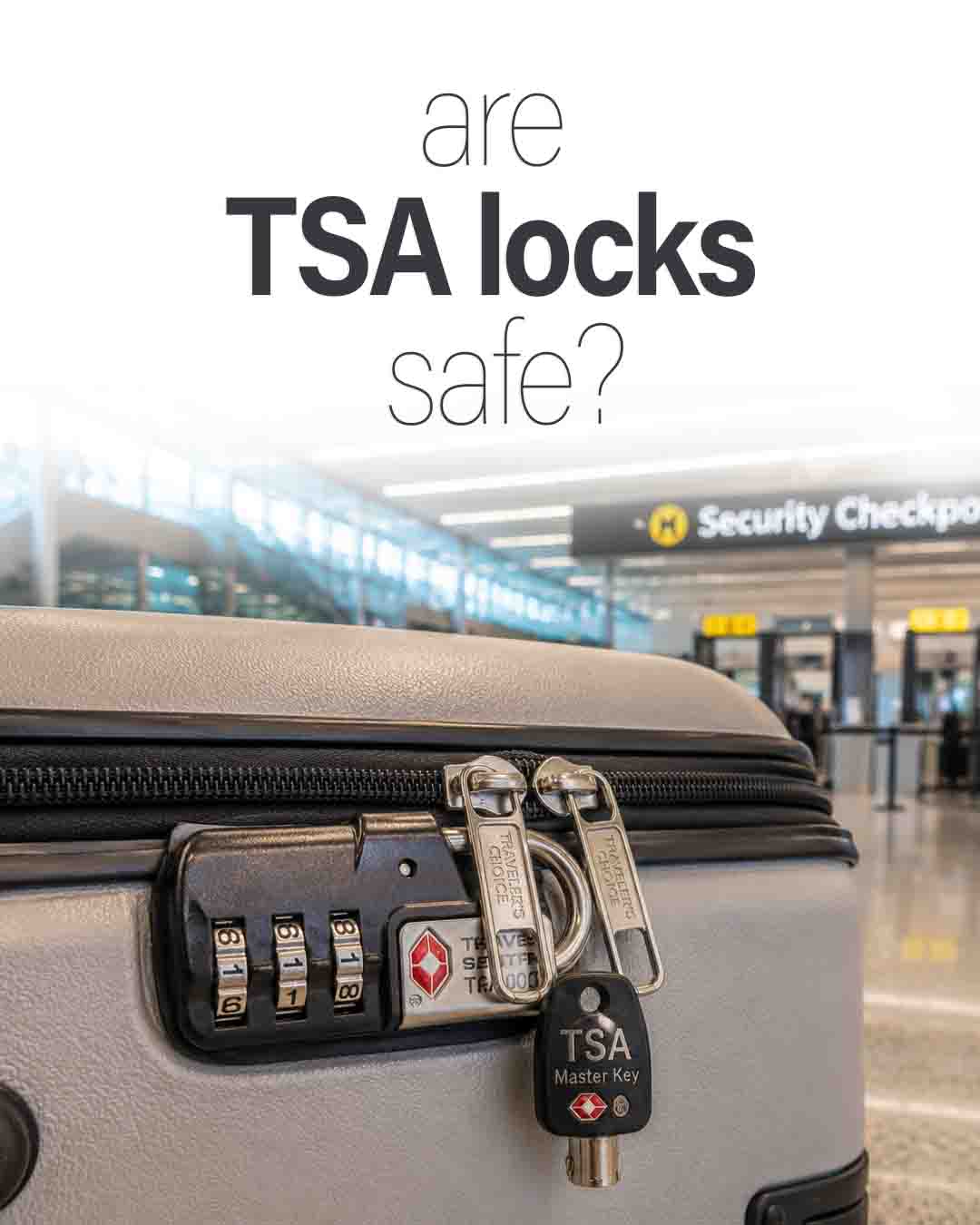
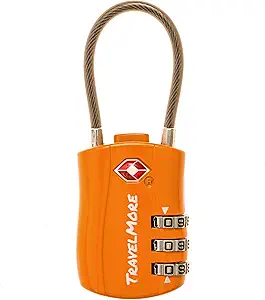
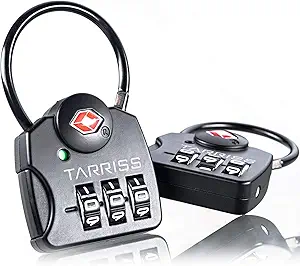
So, are TSA approved locks safe? And what’s the point of TSA locks?
Yes, TSA-approved locks are generally pretty safe for checked bags, but they are not theft proof. Their main use is to let TSA folks open the bag and inspect without damaging the lock.
In this detailed article I will cover everything you need to know about TSA approved locks, are they safe and if they worth the money.
Let’s dive right in.
TL;DR
The TSA approved locks are generally safe to use, but they are not anti theft.
Their main purpose is to let TSA folks open and inspect your checked bag without breaking the lock.
TSA can still cut or damage the lock if they can’t open it or need to access your luggage.
A TSA lock adds an extra layer of security, but it won’t stop a determined thief from accessing your suitcase.
You don’t always need a TSA lock, but it’s a good option for checked luggage.
TSA officers use master keys to open approved TSA locks; they don’t need your combination.
If you forget your combination, check the manufacturer’s instructions, as reset methods vary by lock.
It is best to keep cash, jewelry, important documents, and other expensive items in your carry-on, even if your checked bag has a TSA lock.
A TSA lock is a luggage lock that security officers can open using a special TSA master key.
The idea is pretty simple.
If your checked suitcase needs to be inspected, TSA folks can open the lock with their access key instead of having to break your lock.
After the inspection, they can lock and secure your suitcase again.
That’s the main purpose of a TSA-approved lock.
It isn’t made to stop thieves.
Instead, it gives airport security a way to inspect your luggage while allowing you to keep using your lock afterward.
You’ll find TSA-approved locks from different luggage brands, including Samsonite, American Tourister, and Travelon.
Can TSA Break a TSA-Approved Lock?
Yes.
A TSA approved lock does not mean TSA will never cut or damage your lock.
If security officers need to inspect your luggage and cannot open the lock, they may still have to break or cut it.
The TSA does not guarantee that an approved lock will never be damaged during an inspection.
So, don’t buy a TSA lock thinking it comes with a promise that it will always come back from your trip in perfect condition.
Are TSA Locks Theft-Proof?
No.
TSA locks are not theft-proof.
Think of it as an extra layer of security, not an impenetrable barrier.
A determined thief may be able to break, cut, or bypass a luggage lock. This can happen with TSA locks as well as traditional luggage locks.
That’s why you shouldn’t rely on your lock to protect expensive belongings.
If you’re checking a suitcase, keep things like cash, expensive jewelry, important documents, and other valuables in your carry-on or personal item instead.
A good lock can still be useful.
It can help keep your suitcase closed and can make unauthorized access less convenient, but it can’t guarantee that nobody will get into your bag.
Don’t put expensive or irreplaceable items in your checked bag just because you have a TSA lock.
Do You Need a TSA Lock?
No, you don’t have to use a TSA-approved lock on your suitcase.
You can travel without one, or you can use another type of luggage lock.
The advantage of a TSA-approved lock is that security officers have a way to open it if they need to inspect your checked bag.
If you use a regular lock and security needs to inspect your suitcase, they may have to cut the lock to get inside.
Personally, I’d choose a TSA-approved lock for checked luggage.
It’s a small extra layer of security, and it gives airport security a way to inspect the suitcase without automatically destroying your lock.
You also don’t need to lock every suitcase. If you’re carrying your bag onto the plane and it stays with you, you may not see much benefit from adding a lock.
How Does TSA Open a TSA Lock?
SURE LOCK TSA Compatible Travel Luggage Locks
The TSA officers can open them using special keys (master keys).
They have a set of master keys matching codes like TSA 006, TSA 007, and TSA 008.
You still use your own combination or key to open the lock during your trip.
The TSA officer does not need to figure out your combination to inspect the bag.
This is one of the main differences between a TSA-approved lock and an ordinary luggage lock.
After the inspection, the officer can lock the suitcase again without needing your combination.
Some TSA-approved locks also have an indicator that can tell you whether the lock has been opened during an inspection.
What Happens If You Forget Your Combination?
If you use a combination TSA lock and forget the code, getting back into your suitcase can be frustrating.
That’s why it’s a good idea to save the combination somewhere safe before your trip.
You could save it on your phone, write it down on a piece of paper and keep it somewhere safe, or store it in your wallet.
Just don’t leave the combination somewhere that anyone with access to your luggage can easily find it.
If you’ve already forgotten the combination, check the manufacturer’s instructions for your particular lock.
Different locks can have different reset procedures.
You can also check out this Video on how to unlock a forgotten TSA combination dial lock:
Where To Buy TSA Locks?
You don’t need the most expensive TSA lock you can find.
I’d look for a lock that feels solid, has an easy-to-read combination, and is designed specifically for luggage.
If you prefer not to remember a combination, you can also choose a key-operated TSA lock.
Cable locks can be useful if your suitcase has zipper pulls or locking points that don’t work well with a traditional shackle lock.
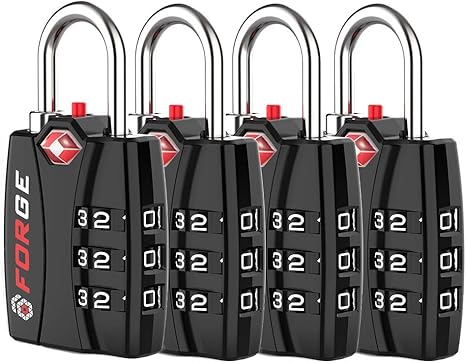
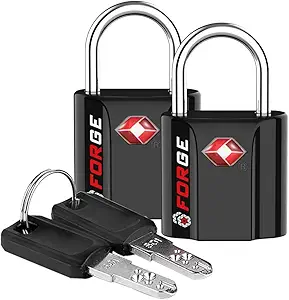
Here are some TSA luggage locks you can consider:
Locks
Details
Nanuk 935-LIDO Lid Organizer for Nanuk Case & TSA Approved Case Lock, Black (900-TSA Lock NANUK)
Keyless TSA Approved Luggage Locks with Lifetime Card Keys & No Combo to Forget (4 Pack)
Final Thoughts
So, are TSA locks safe and worth it?
Yes, but they’re not made to make your luggage impossible to break into.
Also other passengers can use a TSA master key to open the lock.
Their biggest advantage is that TSA officers have a way to open recognized locks if they need to inspect your checked bag.
A TSA lock can give you some extra security, but you should still keep expensive and important items out of your checked luggage.
If you decide to use one, pick a solid TSA-approved lock that fits your suitcase and is easy for you to use.
For me, that’s a better option than risking a regular lock being broken during a security inspection.
I hope this helps.
Happy travels.
FAQs About TSA Locks
Can Anyone Open a TSA Lock?
The TSA officers have master keys for these locks, but you shouldn’t treat a TSA lock like a high security lock. It can still be picked, broken, or bypassed.
What Are the Disadvantages of TSA Locks?
The biggest downside is that they aren’t theft-proof. Some cheaper locks can also be easy to break or damage. A TSA lock gives you extra security, but it won’t protect your suitcase from a determined thief.
Are TSA Locks Worth It?
Yes, especially for checked bags. They’re inexpensive, help keep your bag closed, and give airport security a way to inspect your luggage without damaging the lock.
Is a TSA Lock Mandatory for International flights?
No. You don’t have to use a TSA-approved lock just because you’re traveling internationally. However, a TSA-compatible lock can make security inspections easier if officers need to open the bag.
Can You Use a Regular Lock Instead of a TSA Lock?
Yes, you can. The problem is that security officers may have to cut a regular lock if they need to inspect your bag.
How Do You Know If a Lock Is TSA-Approved?
Look for a TSA-approved or compatible marking on the lock and its packaging. Many recognized TSA locks also carry the Travel Sentry red diamond logo.
Can TSA Open Your Suitcase Without a TSA Lock?
Yes. If TSA needs to inspect your checked bag, officers can open it even if you don’t use a TSA lock. With a regular lock, they may need to cut or remove it.
Can You Use a TSA Lock on a Carry-On?
Yes. But you may not get much benefit from one because your carry-on usually stays with you. A TSA lock makes more sense when you check your suitcase.
Alyssa Chua is a freelance writer, event planner, and traveler. She loves reading, watching TV series, and drinking coffee. When she’s not busy traveling, you’ll most likely find her with her nose stuck in a book or dreaming about future trips.