Packing smart is not just about packing light and reducing weight, It is also about making sure you can move better, keep going longer, and feel comfy during your trip.
So that is why I built this backpack calculator, and It doesn’t matter whether you’re going for a quick hike, planning a multi day trek, or heading into the wild for a remote adventure, how you pack your backpack can really make a difference in how well you perform.
Why you ned to use this backpack weight calculator?
This backpack weight calculator will help you plan and get the right weight for your backpack before your trip, so you can avoid carrying unnecessary weight and choose your gear and items more wisely.
It allows you to:
Determine how much your backpack will weigh based on your gear
Know how your backpack will weight compared to your body weight
Choose the right backpack size for your trip
Improve comfort, balance, and ready to go
A comfortable backpacking pack weight should generally not exceed 20% of your body weight (e.g., 30 lbs for a 150-lb person). Aim for a base weight (gear excluding food, water, and fuel) under 20 lbs for a lightweight setup, or under 10 lbs for ultralight, to ensure comfort and reduce strain
Why it is important to know your backpack weight?
Every added gram or pound you have in your backpack will cost you more energy.
On long trips, even small differences in weight can significantly affect the fatigue levels and your movement.
Savvy backpackers often reduce gear weight to maintain speed and endurance over long distances.
You can always complete small trips with an extremely light backpack
Fast packing setups often prioritize minimal gear to reduce fatigue
Multi day hikes need more balance between comfort and weight
Small adjustments in gear and item selections can have a major impact on overall performance.
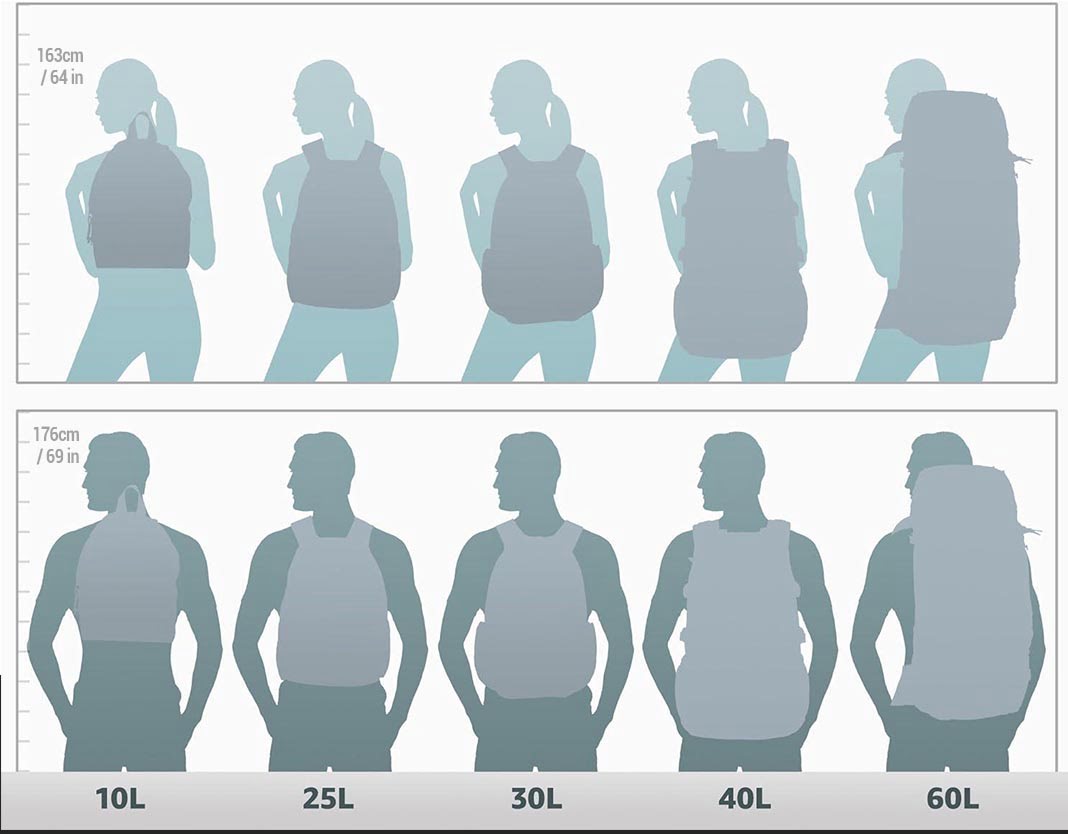
How to choose the right backpack size?
Your backpack is not just about storage it is part of your movement and it is like a partner carrying (eukonkanto).
So selecting the correct volume will help you carry your load more efficiently and minimize the force on your body.
Different types of trips need different pack capacities.
Lightweight travel (3 – 30L)
Designed for speed and simplicity.
Best suited for:
Trail running
Fastpacking
Minimal overnight trips
This category focuses on carrying only essential gear such as hydration, light clothing layers, and compact equipment.
It is ideal for fast movement and short activities.
Hiking and trekking (18 – 60L)
To know the maximum backpack weight for hiking is important, and these backpacks are built for versatility and longer adventures.
Best suited for:
Day hikes
Multi-day trekking
Backpacking trips
This range allows space for sleeping systems, food supplies, and weather protection while still having enough room to divide the weight.
It is the most commonly used category for general outdoor travel.
Technical and alpine use (20 – 50L)
Built to handle tough terrain and technical activity.
Best suited for:
Mountaineering
Climbing
Ski touring
These backpacks are designed to keep things steady, manage the weight, and make it easy to attach technical gear like ropes, helmets, and safety gear.
Expedition and heavy load travel (50 – 120L)
Designed to handle long journeys and tough spots.
Best suited for:
Multi week journeys
Cold weather expeditions
Self supported travel
These backpacks are built to take large weight while still stying durable over long distances and difficult conditions.
The base weight is your gear only. Total weight includes food and water. Most hikers focus on reducing base weight first because it has the biggest impact.
I use this backpack weight calculator to control the wight of my backpack every time i'm going on at rip.
The right backpack size and weight is about more than capacity it’s about efficiency, control, and reducing unnecessary weight.
So go ahead and try this free backpack calculator and get the right weight, so your movement becomes smoother, your endurance improves, and your overall experience in the outdoors becomes more enjoyable.
I hope this helps.
Backpack Weight Calculator – FAQs
How much should a backpack weigh?
A good rule of thumb is around 10% to 20% of your body weight. Lighter is better for comfort, especially on longer hikes.
How do you calculate backpack weight?
You simply add up the weight of everything you’re carrying. To go further, compare it to your body weight to see how heavy it is for you.
What is the base weight in backpacking?
The base weight is your gear without food, water, or fuel. It’s the part of your pack you can control the most.
Is 20kg too heavy for backpacking?
For most people, yes. It’s usually heavier than needed unless you’re going for a long trip.
Is 7kg a good backpack weight?
Yes, 7kg is considered light and comfortable for most multi-day trips.
What size backpack do I need?
It depends on your trip length, but most people use a medium-sized pack for typical hiking trips.
What is the ideal backpack weight for hiking?
Most hikers aim for something between 8kg and 15kg, depending on the trip length and gear.
Does backpack weight really make a difference?
Yes, even a small reduction in weight can make hiking feel easier and less tiring.
What is ultralight backpacking?
It’s a style of hiking focused on carrying minimal gear to reduce weight and move more efficiently.
How can I reduce my backpack weight?
The easiest way is to pack only what you really need and avoid unnecessary extra items.